
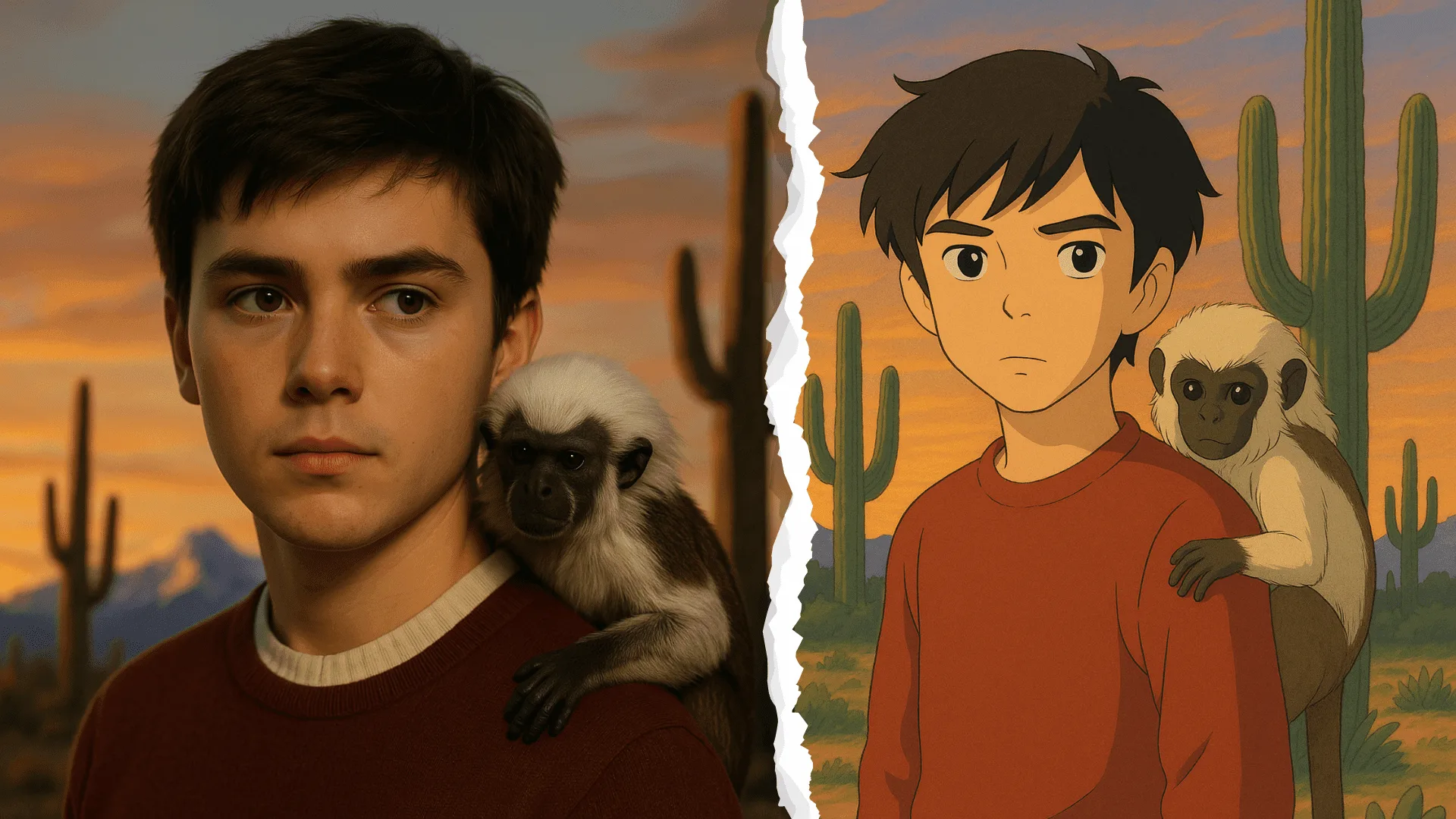
This time we’re comparing two different approaches to image generation: GPT vs. Diffusion models. We’ll explain how each model works and what sets them apart, review the advantages and disadvantages of each, and clarify what each one is best suited for.
How Have Image Generation Models Worked Until Now?
Most image generation models we’ve known up to this point — such as Midjourney — work using a method called Diffusion (diffusion models). They start generating an image from pure noise (a “mess” of random pixels), and the model gradually “cleans up” the noise in stages until a clear image emerges. (In the demo, you can see how the image begins as chaos and slowly comes into focus 👉)
✅ Advantages of Diffusion Models Control over the output — you can guide the model using text, a starting image, colors, and more. High image quality — results look genuinely realistic, with a wealth of fine detail.
⚠️ Disadvantages Worth Knowing Image generation takes time, because it is built in many steps from noise to a finished image. Struggles to render text within images (for example, a sign with legible writing).
What’s New in GPT-4o’s Image Generation Model?
GPT-4o uses an Autoregressive model that generates the image sequentially, pixel by pixel, where each new part of the image depends on the parts that were generated before it. (In the demo you can clearly see how the image is created from top to bottom, step by step 👈)
✅ Advantages of This Model Enables complex relationships between objects in the image — each step depends on the previous ones, so the model “understands” the sequence. Allows text to be embedded in images — especially when the text needs to feel natural and precise.
⚠️ Disadvantages Worth Knowing Image quality is lower compared to diffusion models, particularly for complex images. Models like this struggle to produce photorealistic images.
Summary
The right model depends on your needs. GPT-4o’s image generation is an excellent choice for tasks that require precision, adherence to specific instructions, and text rendering. Midjourney, on the other hand, is the preferred tool when the goal is creating artistic or photorealistic images with rich detail and fine-grained control through parameters — even at the cost of some flexibility in following the literal wording of a prompt. The field of image generation continues to evolve rapidly, and both platforms are expected to keep improving.