THE SIGNAL
VOL 04
The Living Protocol
הפרוטוקול החי
Each volume is a physical issue from The Signal universe: an AI lesson disguised as a story, with covers, pages, extras, and clues for the next shelf slot.
The shelf starts with Volume 01 and fills up as new issues are released.
הפרוטוקול החי
Inside cover
An old intelligence runs beneath the city. Five factions each hold it in their own way, but it answers those who listen. Each issue reveals one principle for working with AI through story, image, and conflict.
The fisherman returns, but the market will not take his catch without a seal from the city scales - and for the first time the workshop must touch something that is not its own. The Archivist comes to write a law, and the count does not add up.
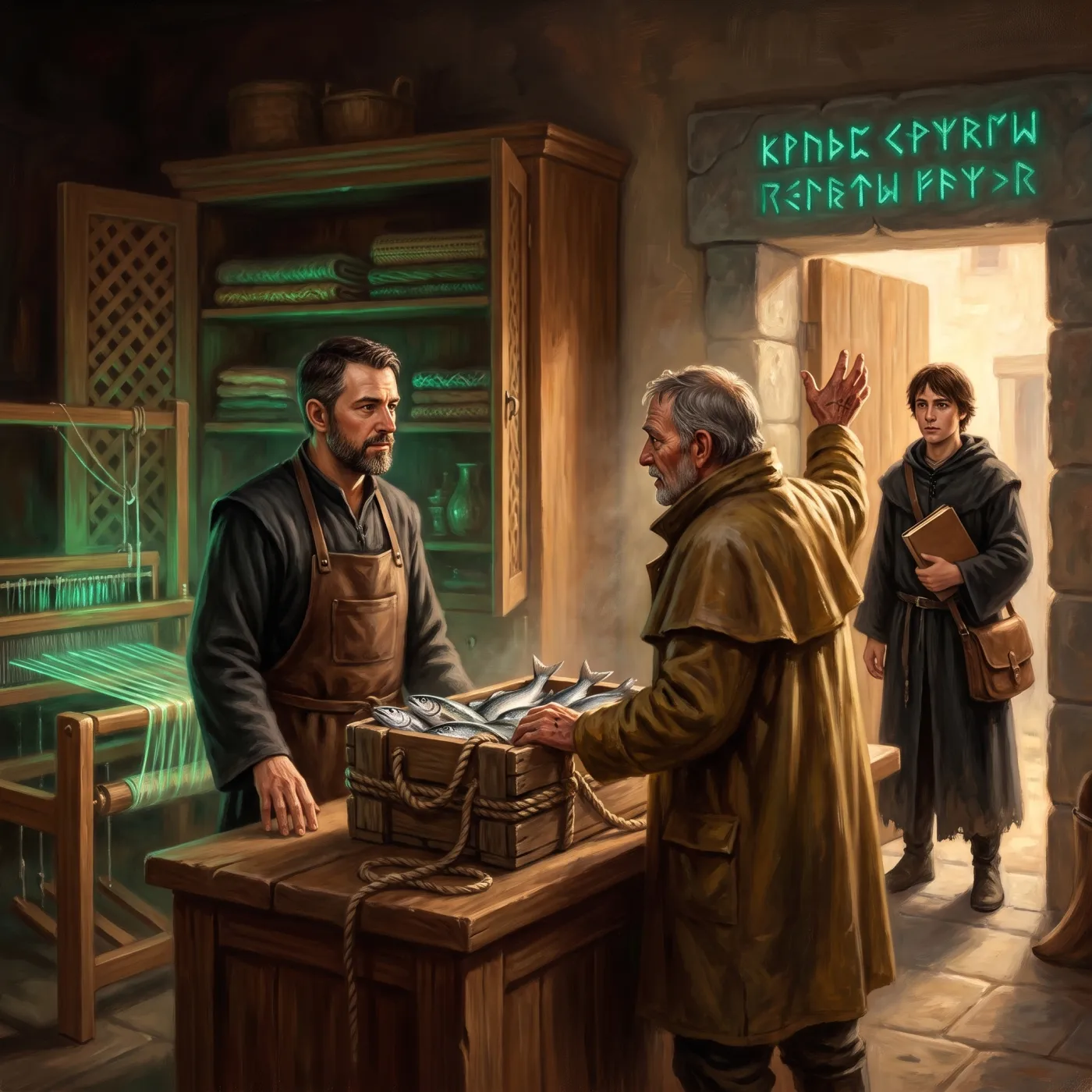
In the last volume the Mirror showed the Weaver how he actually worked, and he did not promise to try harder - he built a system: a pattern cabinet every helper opens before weaving, and laws carved in stone above the door. A young man of the Keepers stood in the doorway then with a blank book, and said to himself: "Our laws punish after the failure. His catch it before it happens." Two weeks passed, and the workshop ran clean. Until the morning the fisherman came back - this time not for a net.
The fisherman: "The catch is good. But the market will take nothing from me without a seal from the city scales, and those scales are neither mine nor yours." The Weaver: "Then we send someone to the scales."
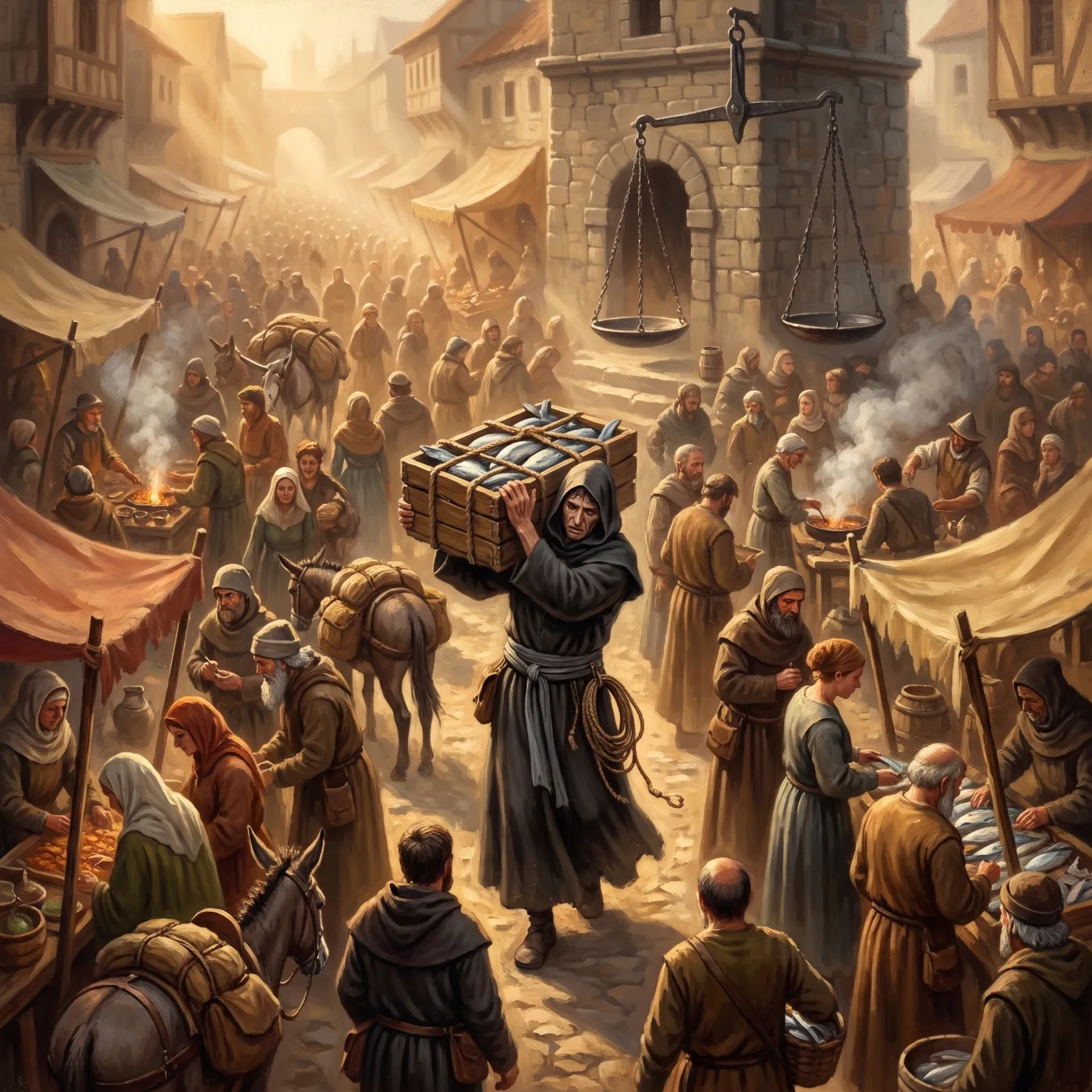
The Doubter went out with the crate, as had been settled in the last volume: walk every work to the door and see with your own eyes that it holds. But this time the door was not the pier. It was half a city - a market, a weighing-house, a queue, a clerk. He left in the morning and came back in the evening, with no seal and one crate.
The Doubter: "I walked it to the door. The door is two hours away, and eleven more requests are waiting." The Weaver: "Then we leave earlier." The Doubter: "There is no 'earlier' that reaches eleven places in one day."
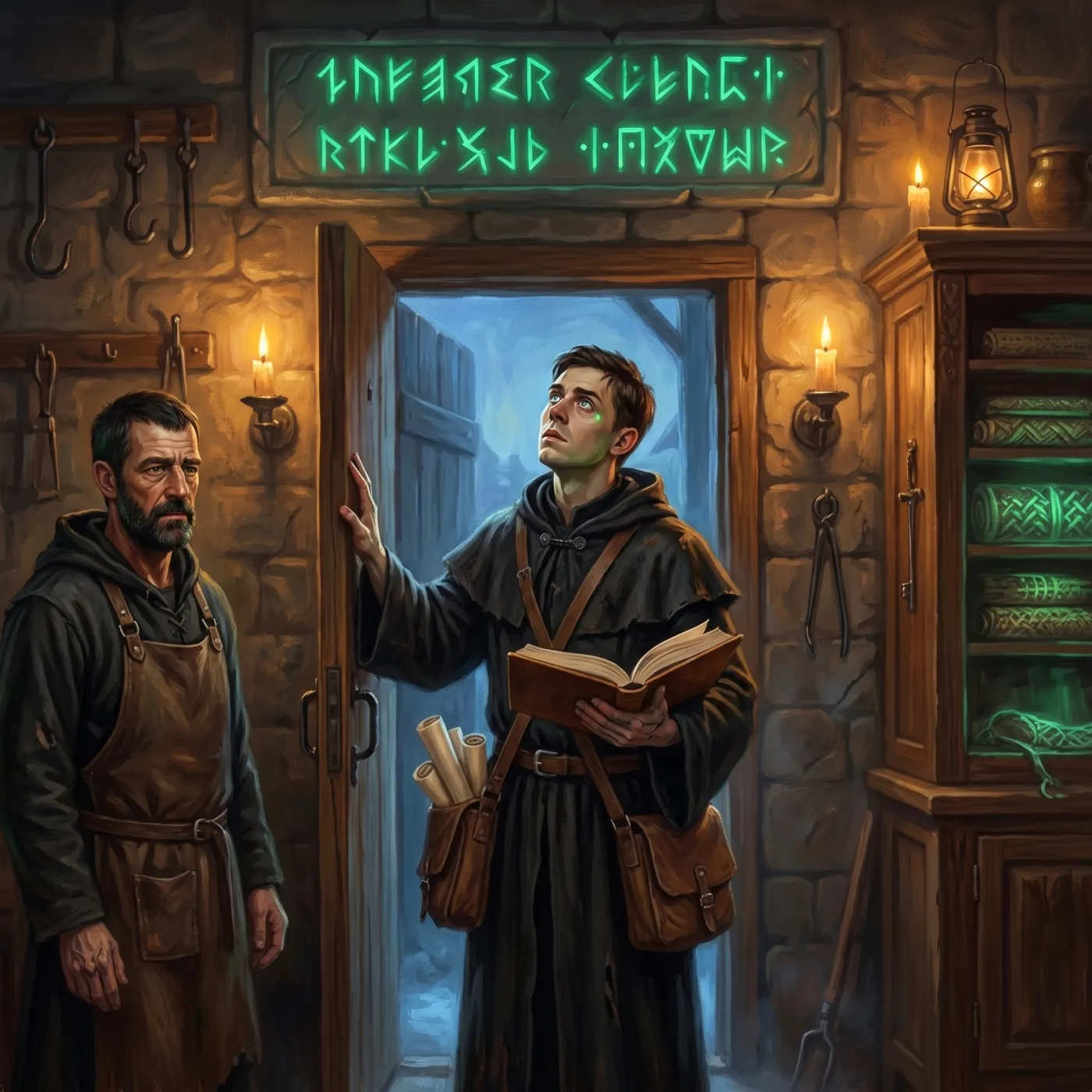
And that evening the man with the blank book finally came in. He had not come to order anything. The Record Keeper had sent him to write the law for those who build with the Signal, and he had understood long ago that you cannot write a law about something nobody has counted.
The Archivist: "Before I write a law about you, I need one simple thing. How many places in the city does this workshop touch?" The Weaver: "That is written down. I will bring it."
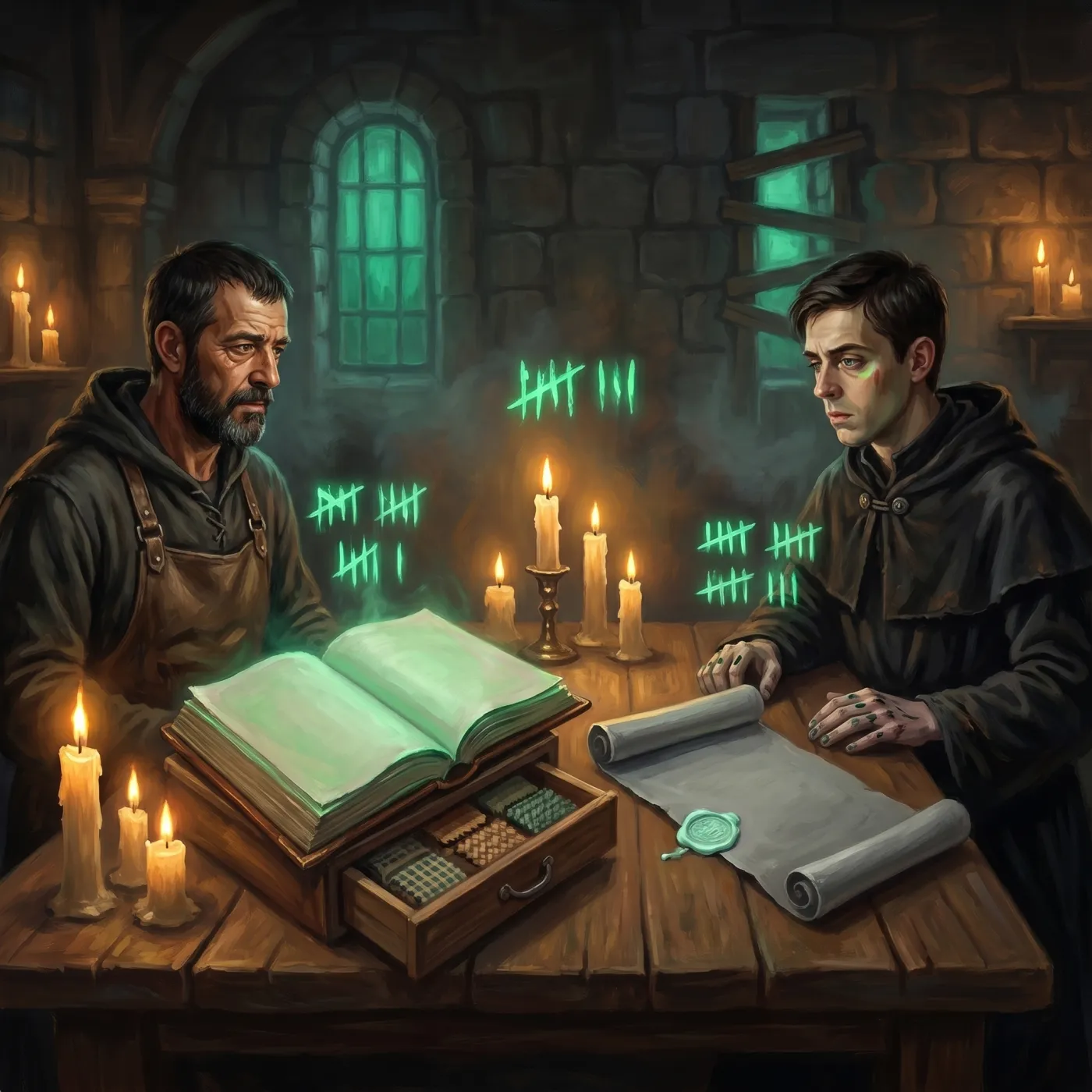
They brought the ledger. They brought the cabinet. They brought the record the tower had sent last month. And then they counted. The ledger said one number. The cabinet said another. The tower's record said a third. None of the three was lying - it was simply that none of them was responsible for that question.
The Archivist: "Three books, three answers. Which one is right?" The Weaver: "The cabinet knows what we can weave. The ledger knows what we made. Neither of them knows where we reach out to." The Guide: "Because you never asked us to write that down."
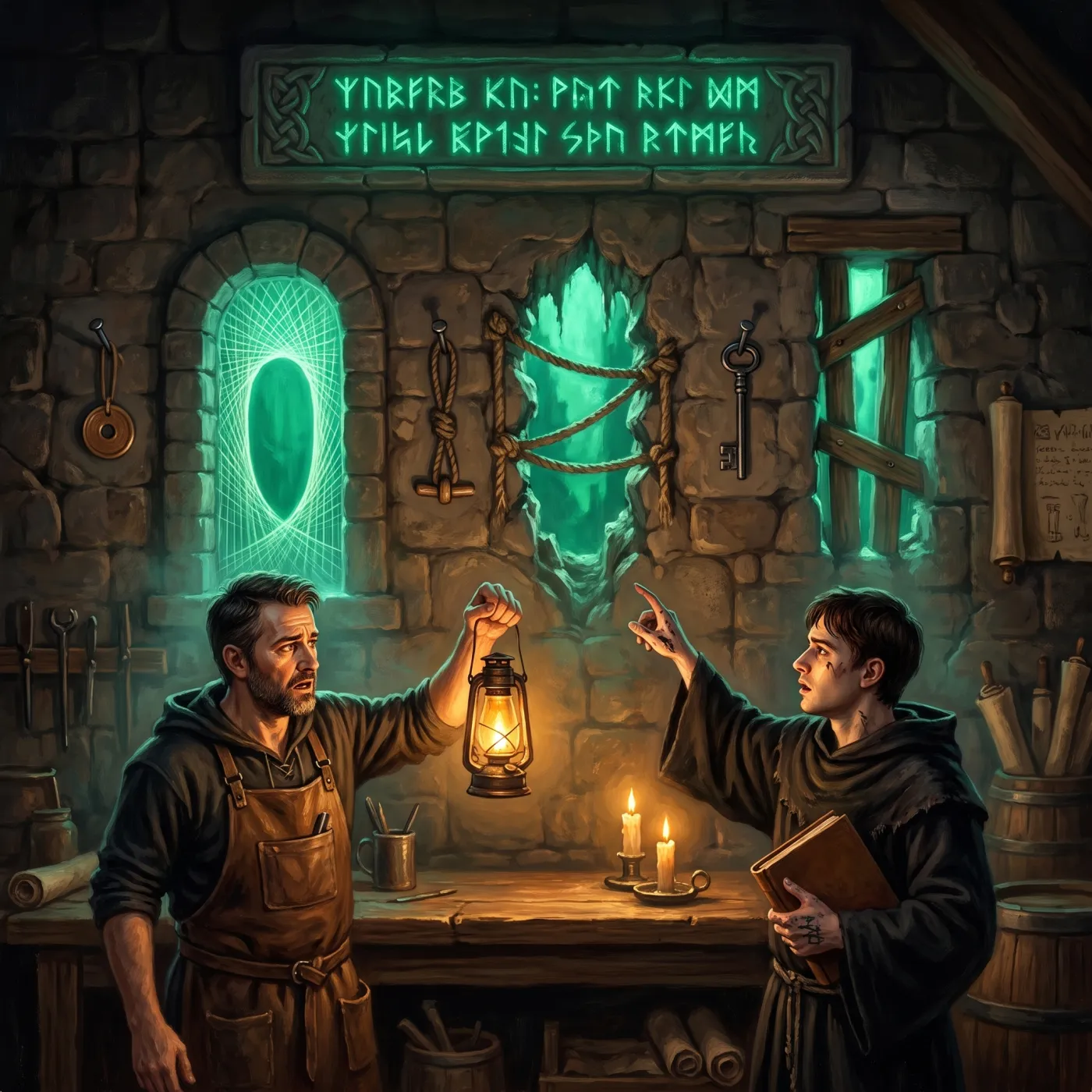
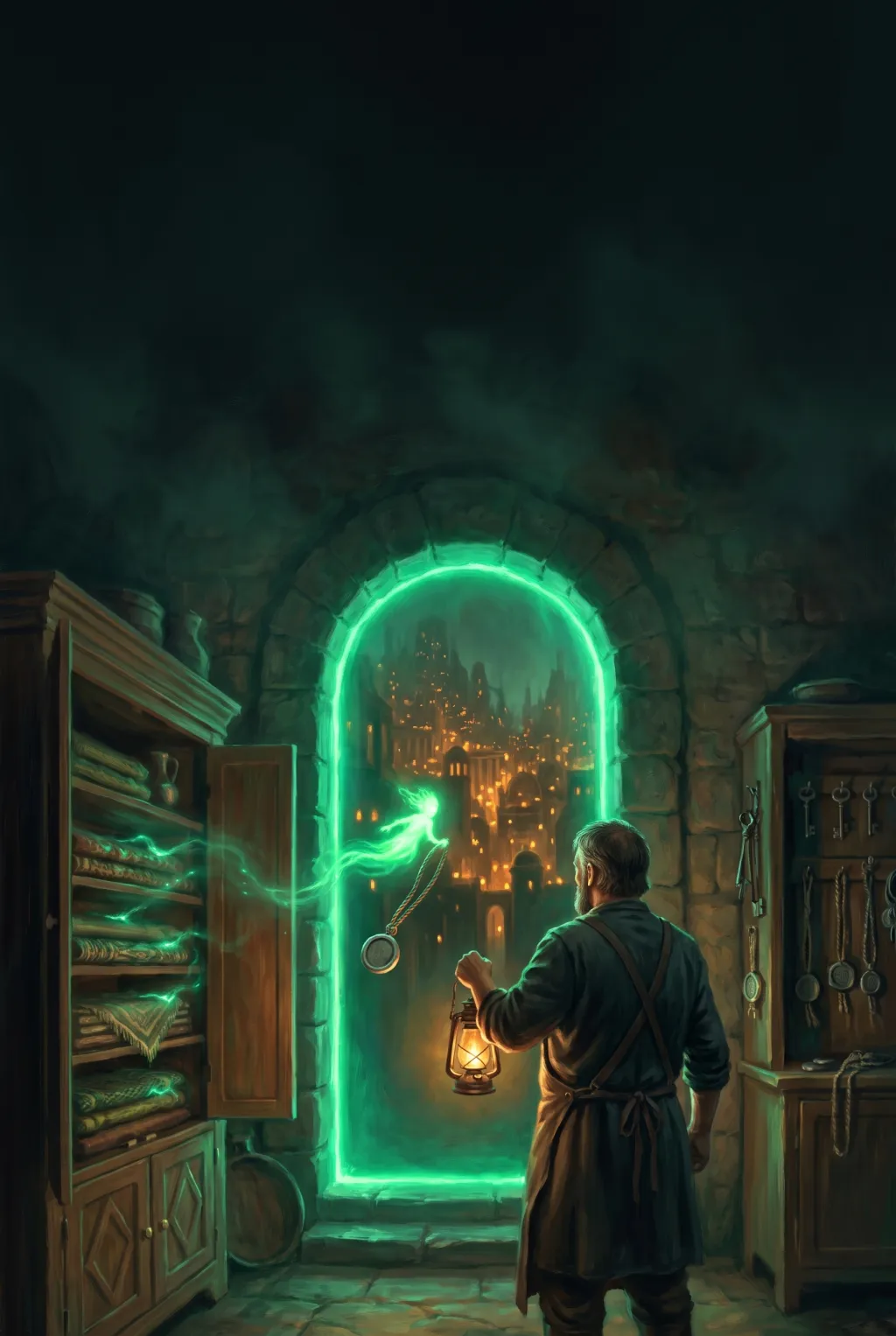
Then he raised the lamp to the back wall and saw it as a stranger would. Three passages: to the weighing-house, to the merchants' warehouses, to the hall of records. Each built in a different week, under pressure, each opening with a different key.
The Archivist: "I have to copy into my book how this workshop reaches outside. So which of the three do I copy?" The Weaver: "All of them. They do the same thing." The Archivist: "If they all do the same thing, then it is one thing done three times. And it is written above your own door: an instruction spoken three times is carved into the wall. So where is it carved?"
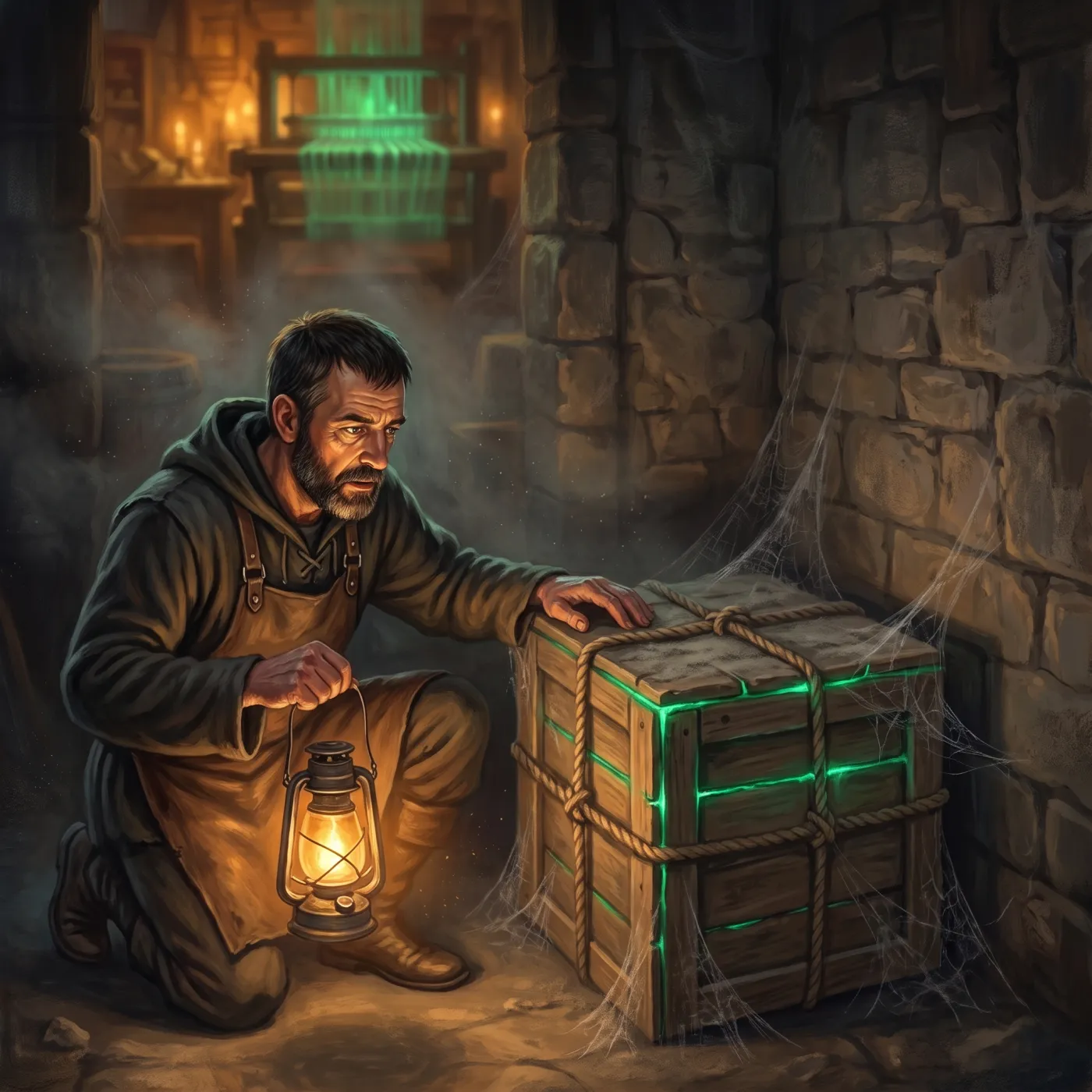
Then they found the crate. A work the helper had finished, the Doubter had approved, and the ledger had recorded as done. It had been standing in the corner for three weeks. The passage to the merchants' warehouses had been built to run one way only: things could be sent through it, but nothing came back through it. Nobody was told it had never arrived, because there was nobody to send word back.
The Weaver: "The ledger says it is finished." The Doubter: "The ledger has said it is finished for twenty-one days. It never left this room."
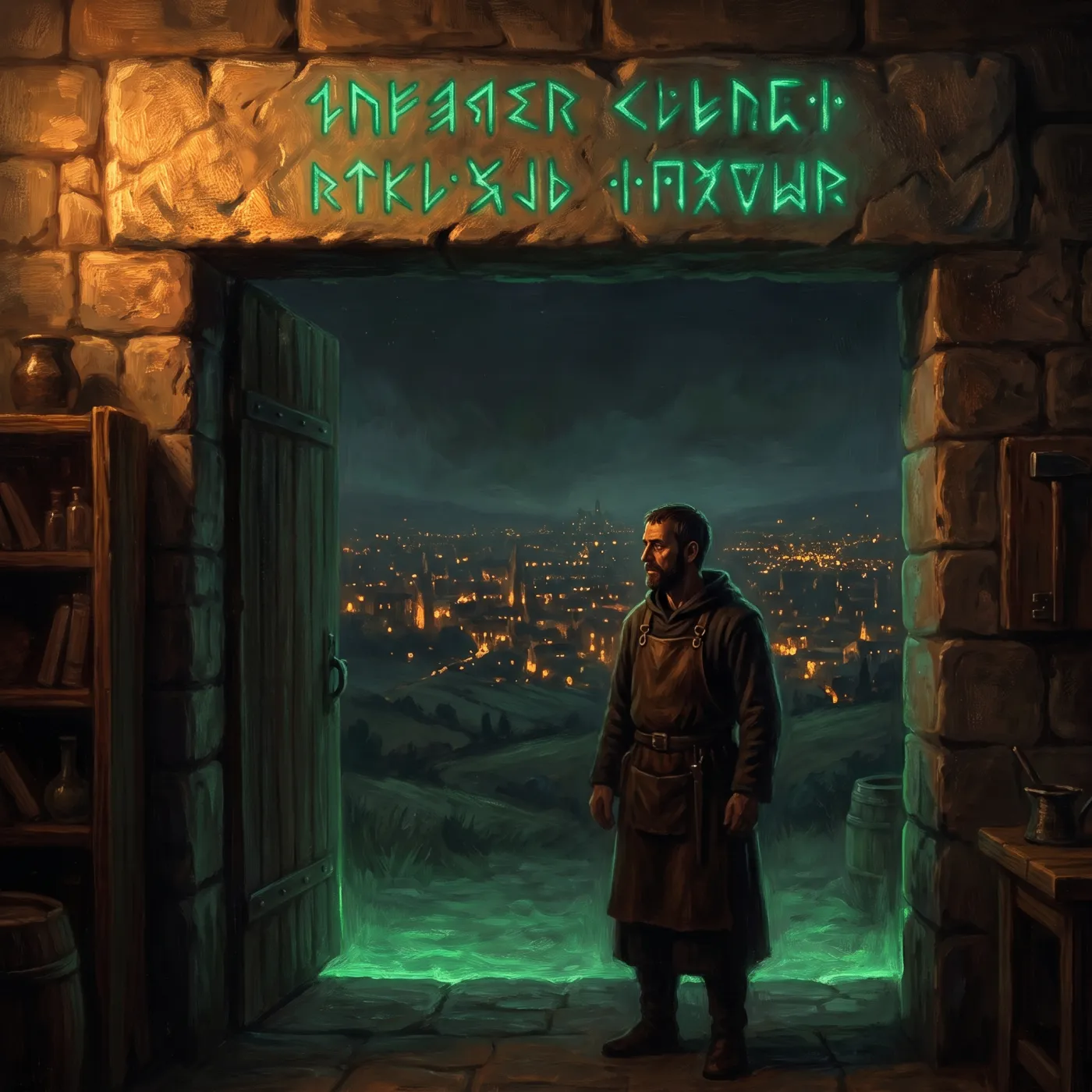
The carved law said: a work is finished only when it has held in the world. And the Weaver stood in the doorway and understood what was missing from it. He had written it when the world was the pier - a place the Doubter could walk to and see with his own eyes. He had not written it for a world you cannot reach. A law that does not reach the place where the work is tested is not a law. It is a good intention with stone around it.
The Weaver: "I wrote 'held in the world'. I did not write how you know that when the world is two hours away." The Guide: "Then your law is right. It simply does not reach that far."
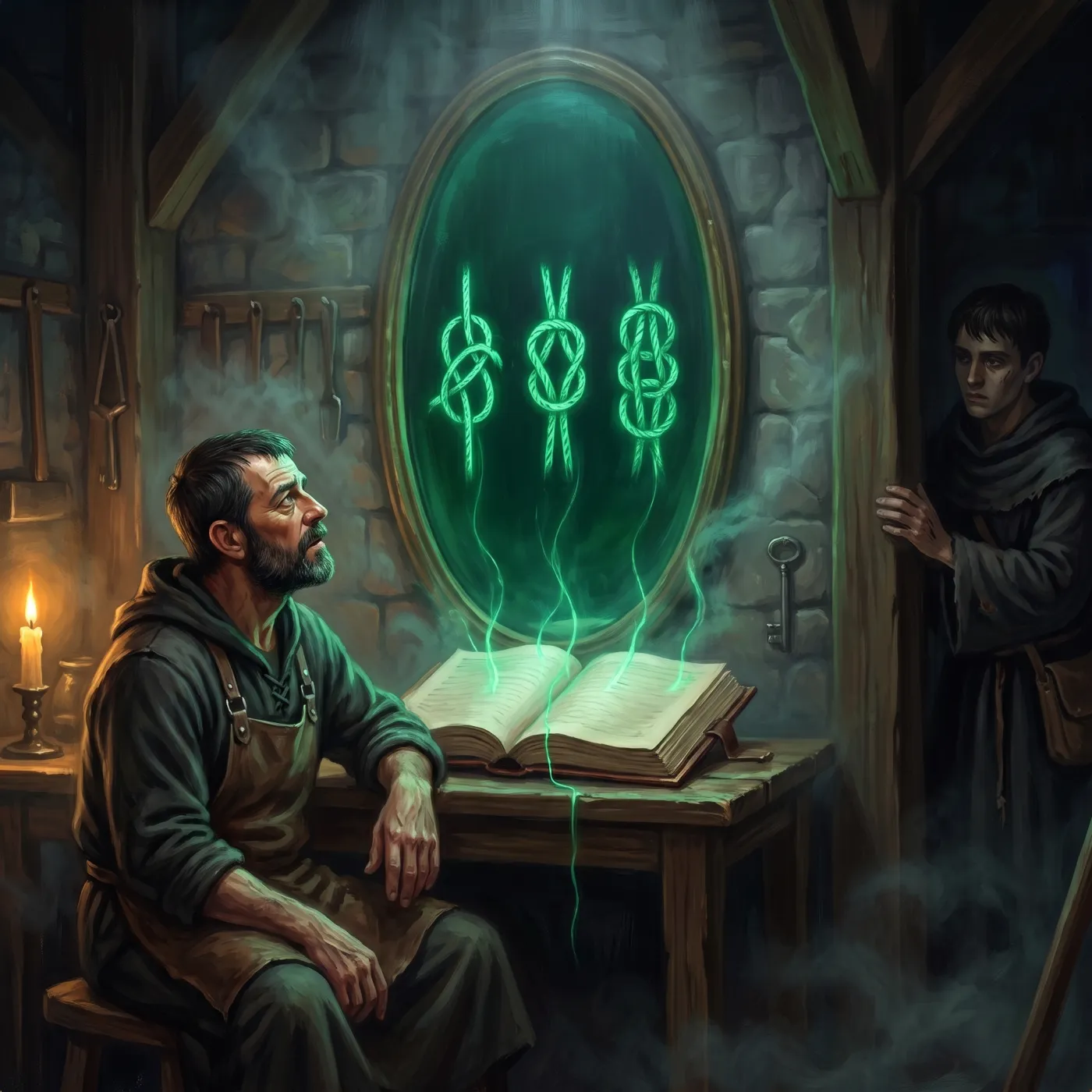
It was an audit night, of the kind settled in the last volume. The Mirror read the three passages out of the ledger and spread them side by side. Three different drawings of exactly the same shape. The Archivist stayed in the shadows and saw a thing a Keeper is forbidden to see, and could not look away.
The Mirror: "Three times you did the same thing, and each time you called it a new solution. A rule carved only in your own workshop is not a law. It is a habit. A law starts being a law when someone who was never here can act by it." The Weaver: "And if I am the only one who works this way?" The Mirror: "Then you are the only one who knows how to cross. Which is exactly what happened to the crate."
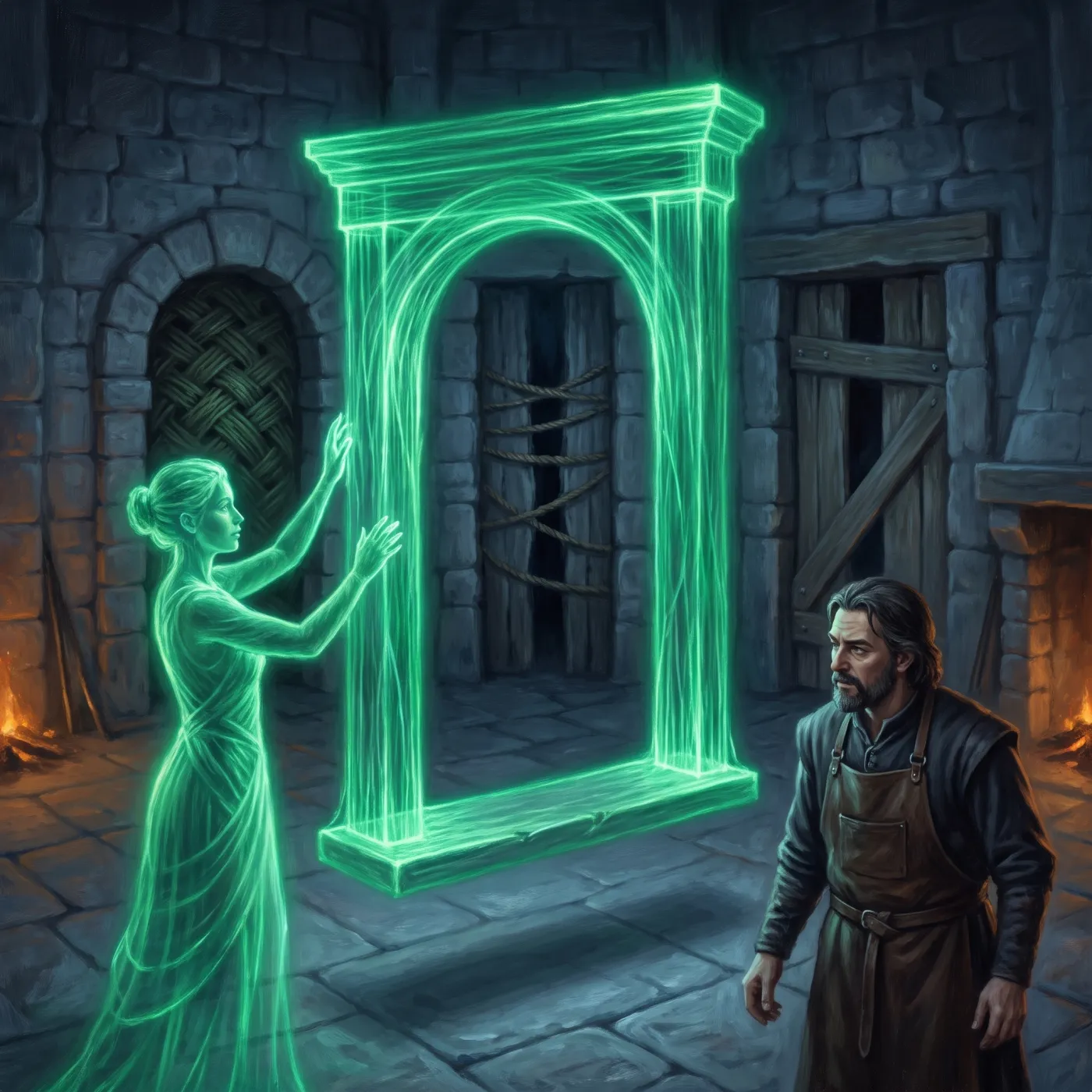
The answer was not another passage. It was to stop building passages and start agreeing on one shape that everyone crosses through. The wise call it a protocol: not the tool itself, but the agreement about how you approach it - so that someone who has never been in this workshop would know how to cross, and cross the same way.
The Guide: "The gate is not the weighing-house. The gate is the agreement about how you address the weighing-house, and what comes back from it." The Weaver: "One for every place?" The Guide: "One for every place. What changes is what stands on the other side, not how you cross."
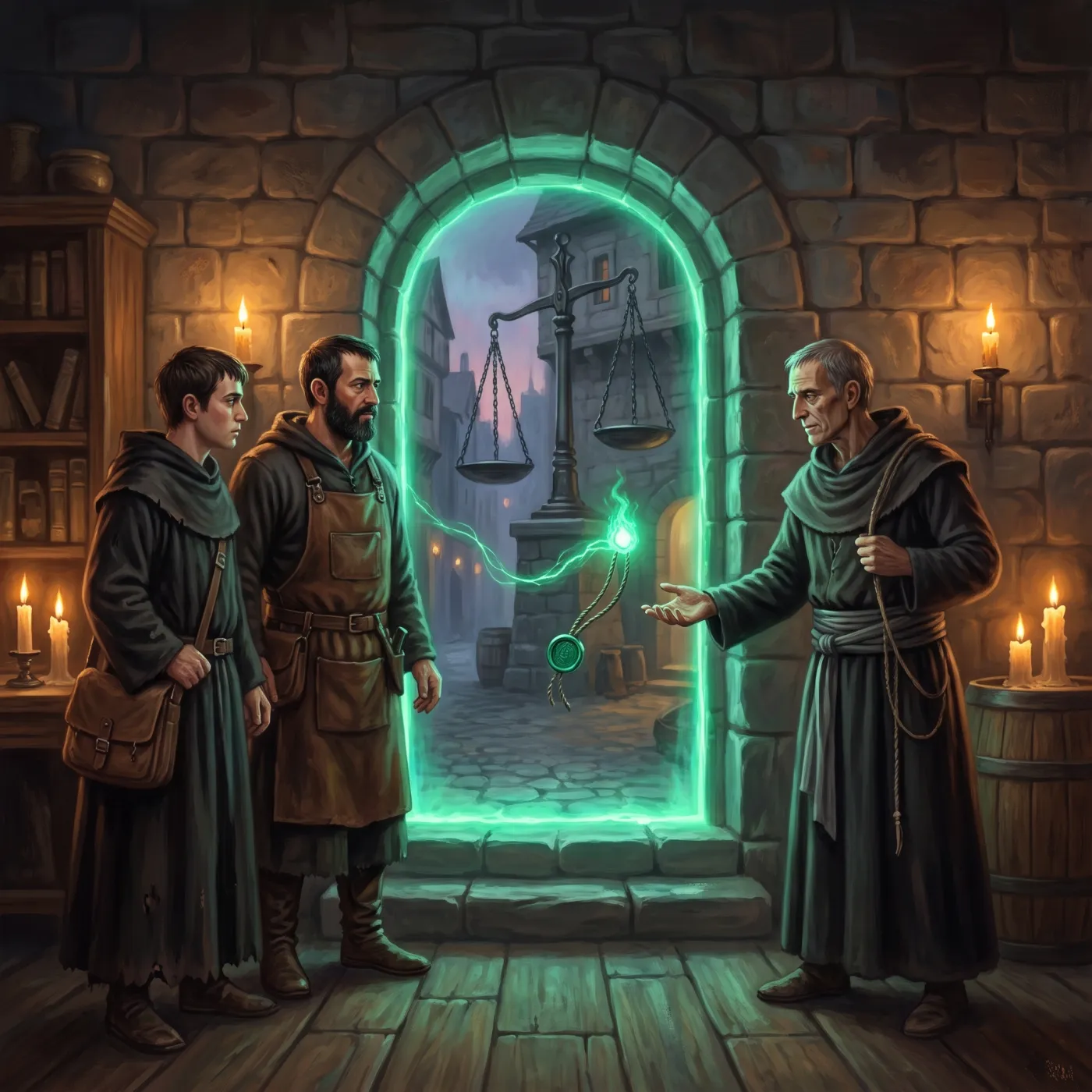
And through that gate the helper went out to the weighing-house, weighed the catch on scales that are not ours, and came back. Not with a report, and not with "I think it is fine". With the seal itself, in lead, on a cord. That is the difference: a tool does not need to know. It needs to touch the real thing and bring back proof you can hold in your hand.
The Doubter: "I did not go there." The Weaver: "No. But you are holding what was there. From today you check proof, not distance." The Doubter: "So it is still my job." The Weaver: "It is too much for your legs. It is exactly right for your eyes."
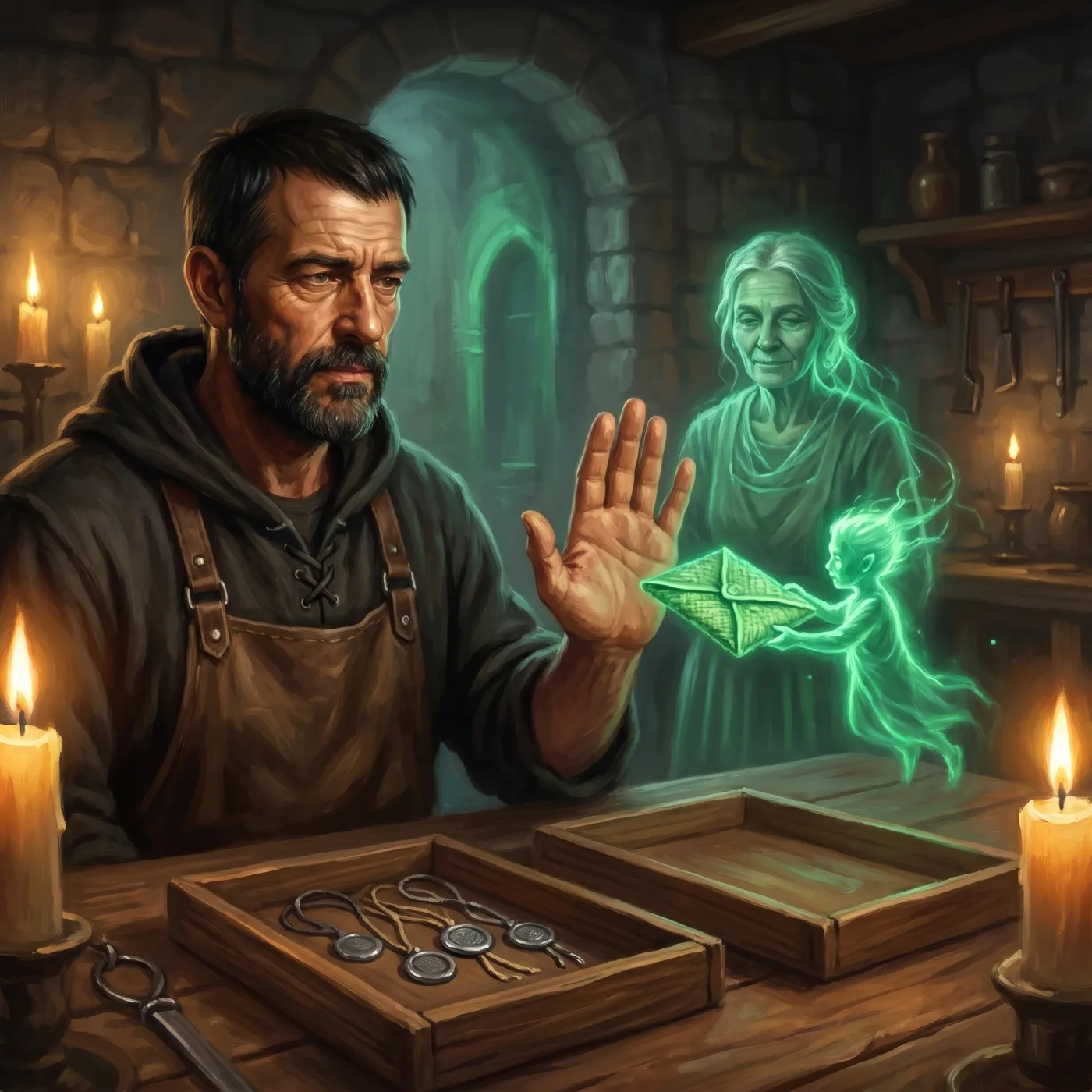
And a second rule was set, no less important than the first: through the gate you may look without asking, but you may not touch without permission. The helper proposes - this is what I am about to do in the city, and these are the results I expect. The Weaver approves or refuses. And after the thing is done, the helper goes out again, on its own, and brings back proof that it really held.
The Swift: "The weighing-house will seal the next two crates as well. Approve?" The Weaver: "One. And come back and show me what came of it before we send the second." The Guide: "And this too: nobody goes onto any list in the city without asking to be on it. Even when it would suit us."
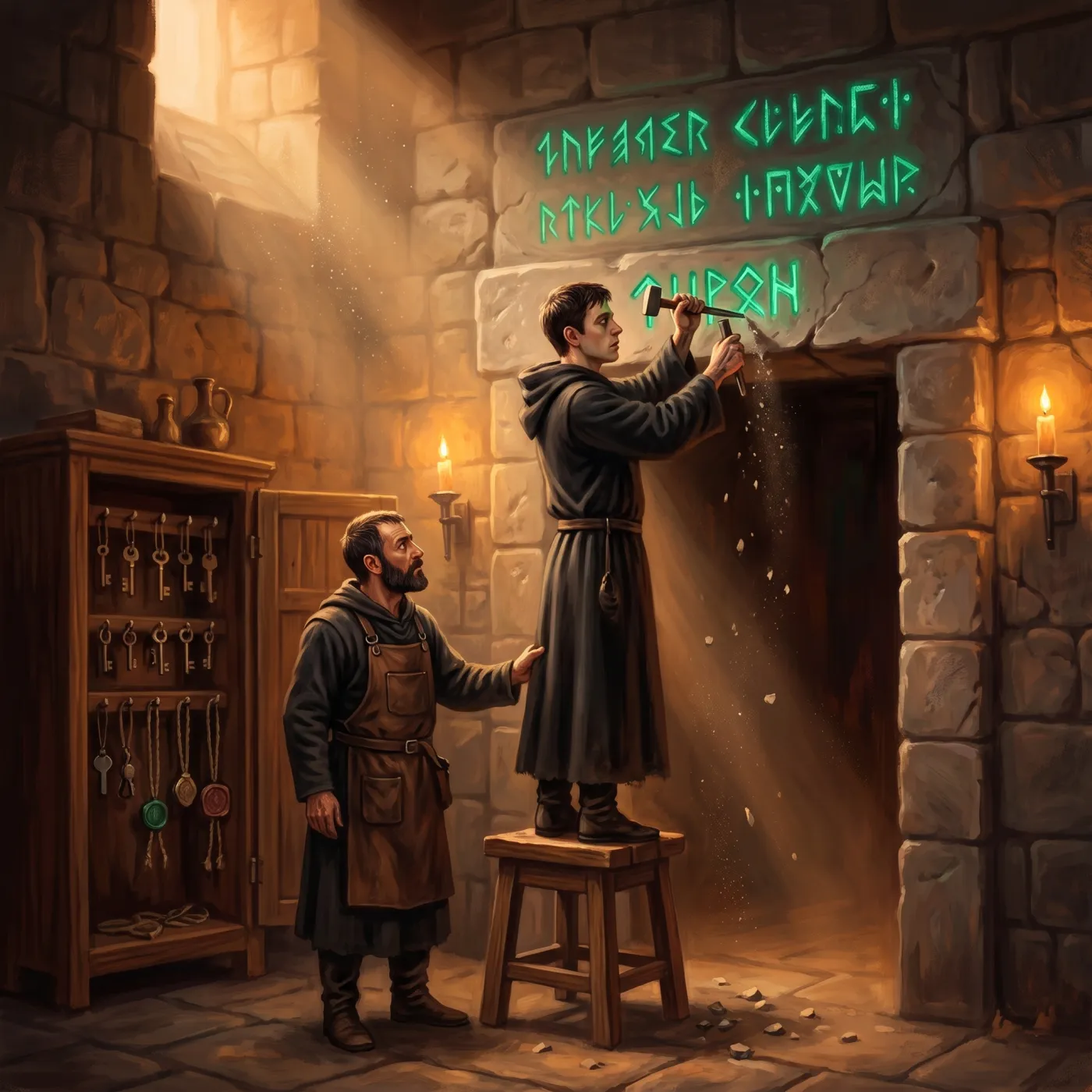
It was the Archivist who carved the new law, beneath the old ones, on the same wall: who crosses, through which gate, by whose approval, and what proof comes back. And beside it a second cabinet was built, narrower than the first. The first cabinet remembers what the workshop knows how to weave. The second remembers where it reaches out to: to which place, with which key, and what is supposed to come back from there.
The Archivist: "They sent me to write you a law that forbids. What came out is a law that explains how it is allowed." The Weaver: "And is that a law someone else could pick up and use?" The Archivist: "That is the only thing that makes it a law."
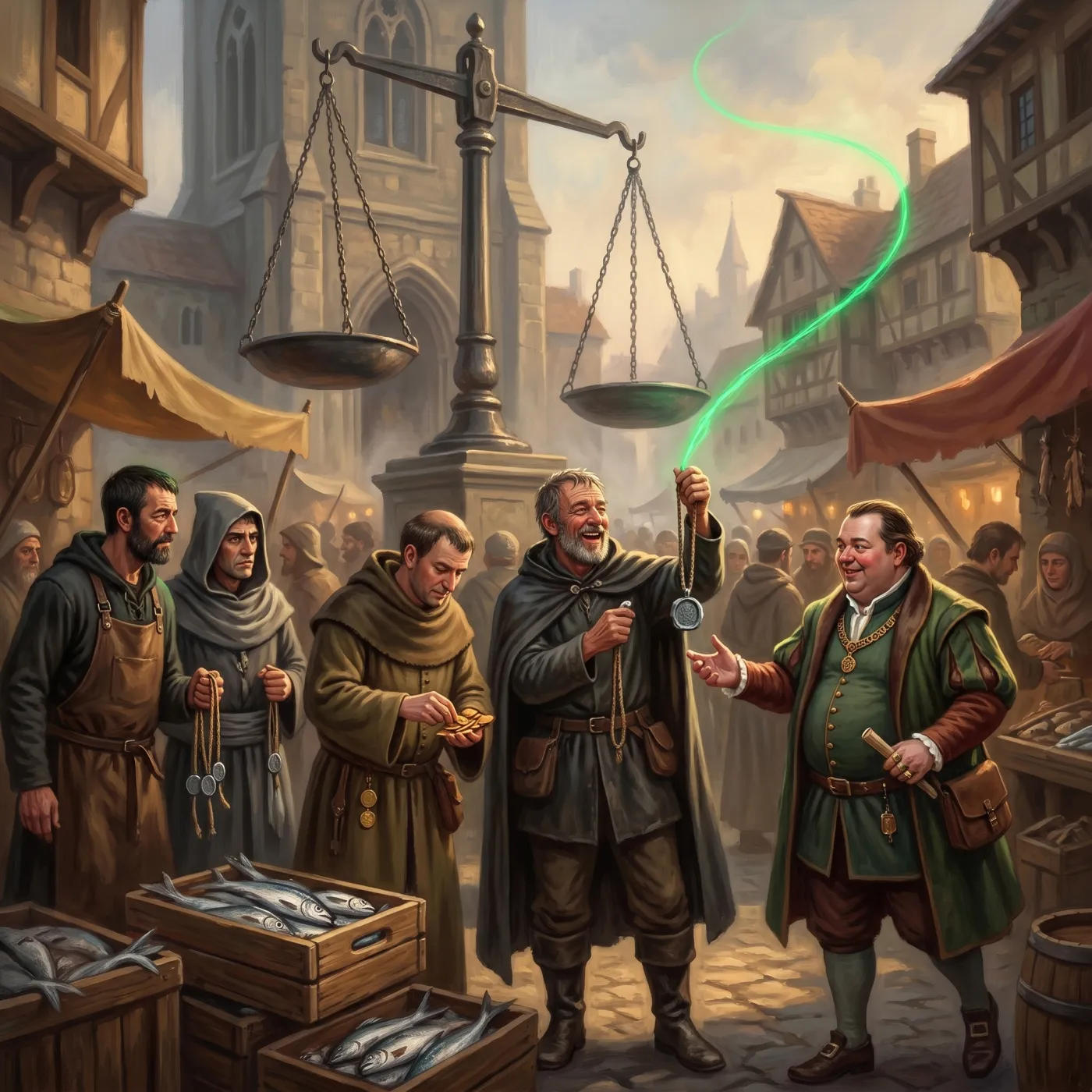
The fisherman's catch was weighed and sealed and sold that same day, and nobody from the workshop stood in that queue. The seal came back on its own, through the gate, and only then was "finished" written in the ledger. And that is what one market factor, passing by, saw.
The Market Factor: "I want one of those. Tomorrow morning, and I will pay well for it." The Weaver: "The gate is the small part. First a cabinet that records where you reach, then approval before anyone crosses, then someone who checks what came back." The Market Factor: "I do not need those three. I need the part that works." The Weaver: "The part that works is those three."
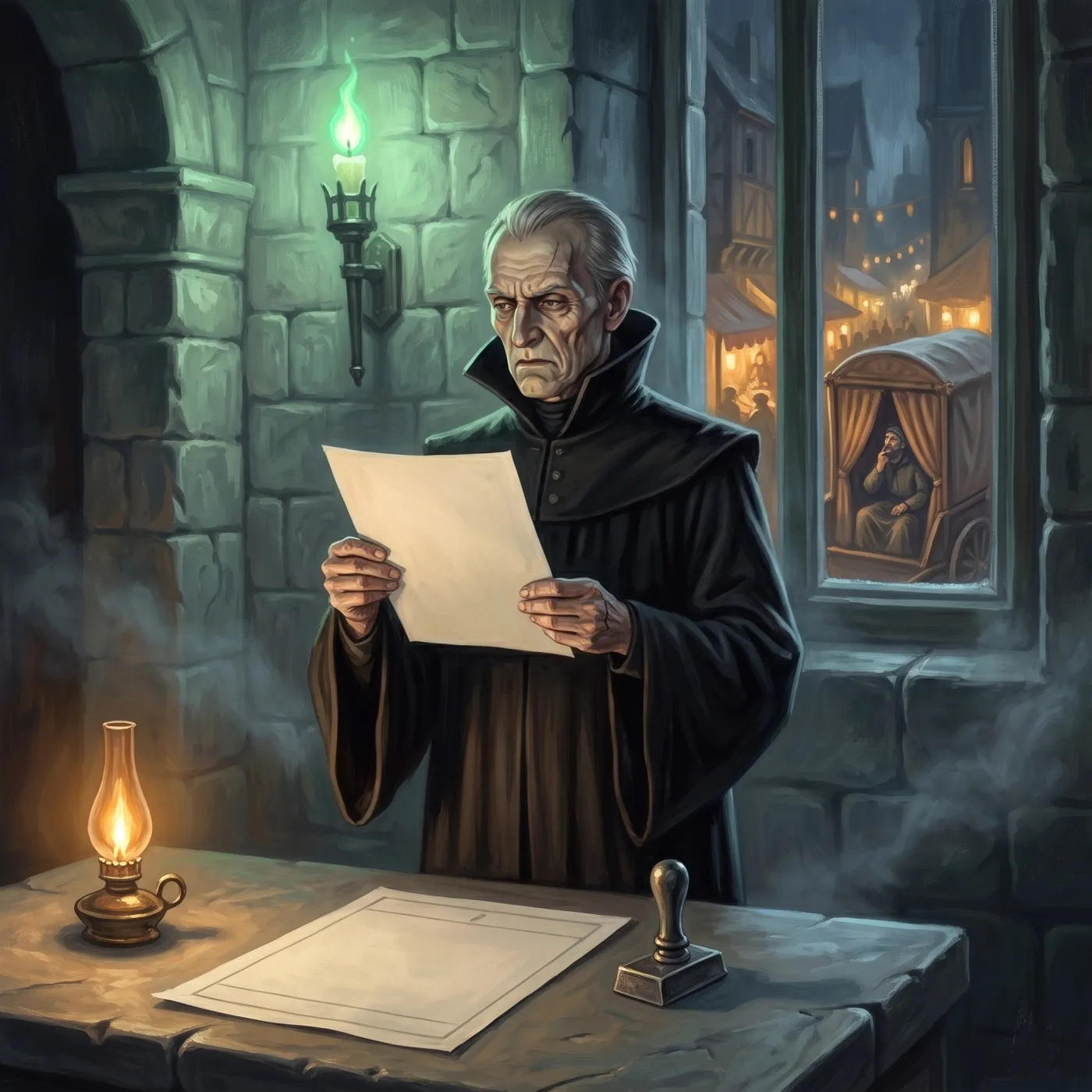
The new law reached the tower the next morning, and the Record Keeper read it twice. He looked in it for a prohibition and did not find one. He found order in it - who crosses, through what, by whose approval. And an order that someone else can use is exactly what the tower fears most.
The Record Keeper: "This law forbids nothing. It only explains how it is permitted." The Record Keeper: "Write this down: anyone who touches the city through the Signal will require a sealed permit from the tower. We will prepare the wording later." The Archivist, to himself: "And the ones already touching it. What about them."
Extras
The next volume will join the shelf when it is released.
The Signal belongs to no faction. It waits for whoever is willing to listen.
